
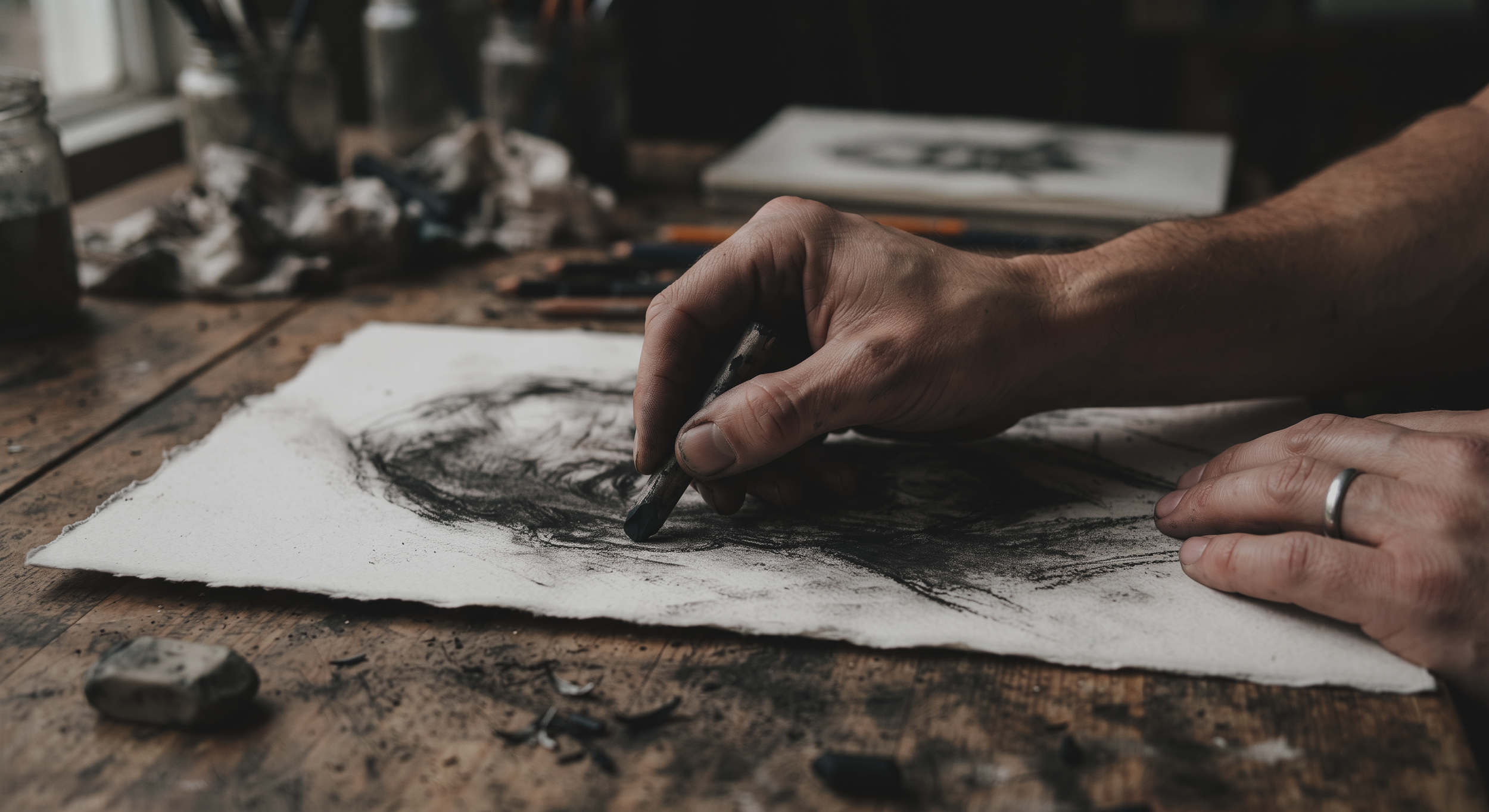
Mastering Charcoal Drawing: Shading Techniques & Avoiding the Muddy Smudge
Charcoal is messy, frustrating, and unforgiving, but it creates unmatched depth. Learn practical shading techniques, how to avoid the muddy smudge, and why material consistency matters for fine art.

Beyond Demos: Building a Real Game Industry in Kansas
"In the games industry, we work in a pipeline; it's a necessity because of the complexity of problems we solve on a day-to-day basis."
Following thousands of industry layoffs, game development is at a crossroads. Amid an AI-saturated market and a flood of quick demos, real professional artists and regional infrastructure bills—like Kansas's HB 2038 and SB 52—are offering a way to stabilize production and bring sustainable game dev to unrepresented states.
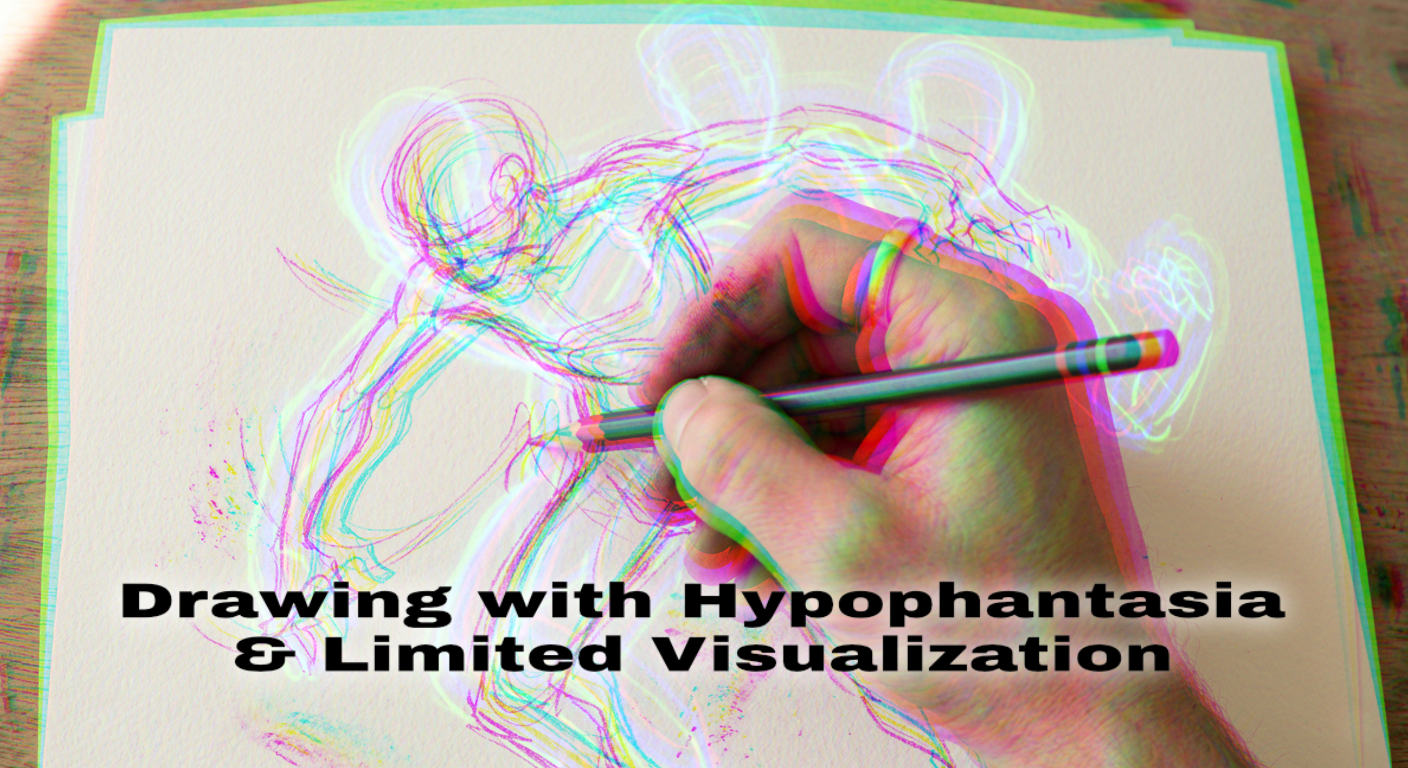
The Artist’s Flicker: Drawing When Your Brain Won't Hold an Image
Visualization isn't always a 5K rendering; sometimes, it’s just a strobe-light flash. If you struggle to hold an image in your mind, your canvas becomes your external hard drive. Discover why the "flicker" happens and how to use gestural drawing to "find" your art on the paper.
Why Your SVG Imports are Tiny: The Scaling Fix for Affinity, Blender, and Bambu Lab
Stop scaling your imports by 10,000%. The "microscopic SVG" problem in Blender and Bambu Studio isn't a design flaw—it’s a legacy DPI mismatch. Discover why changing one simple setting in Affinity Designer will save your workflow and your sanity.
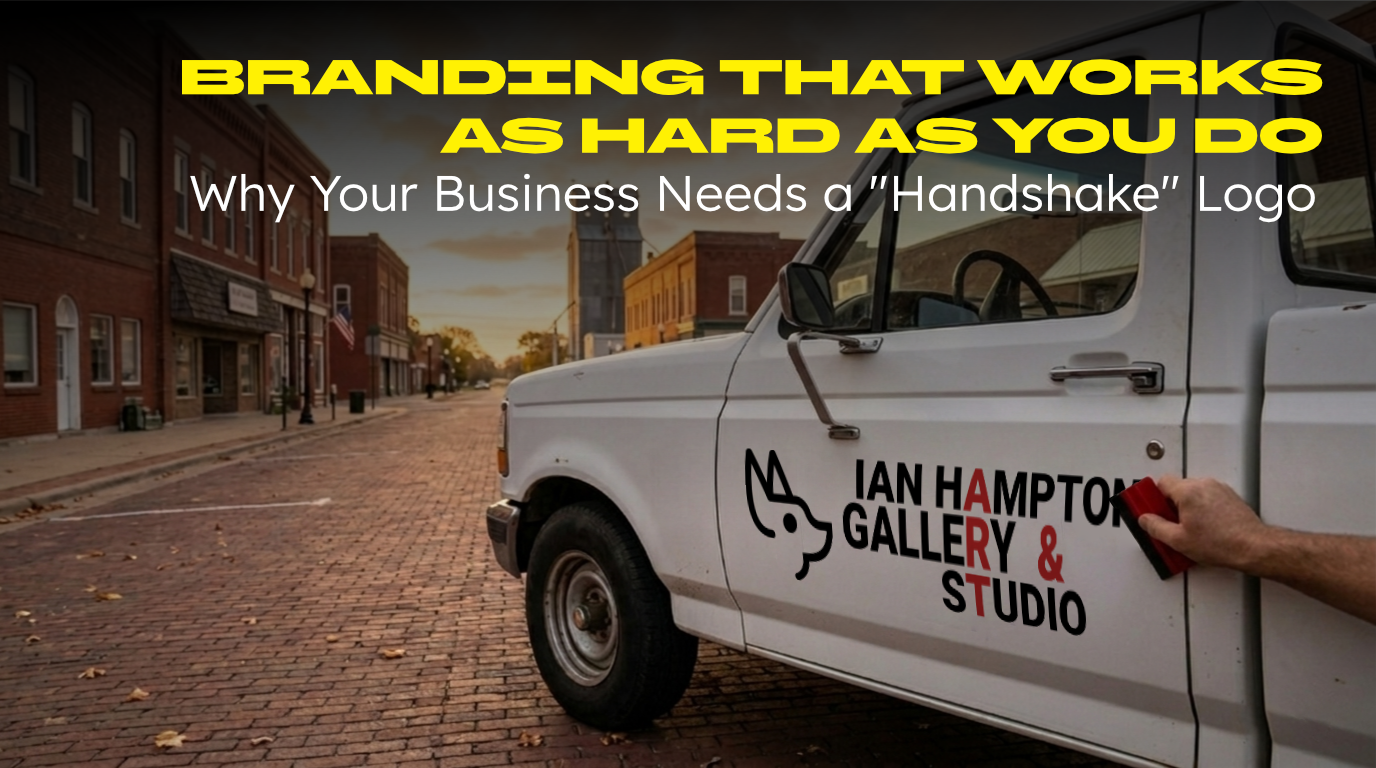
The Reality of Branding Your Local Business: More Than Just a Pretty Picture
In the Midwest, we value utility over flash. So why do so many local businesses settle for "Silicon Valley" logos that don't reflect their grit? From the muddy tailgate to the polished storefront, your branding should feel like a handshake, not a corporate mandate. Here is why investing in an honest, simple aesthetic is the best move for your long-term reputation.
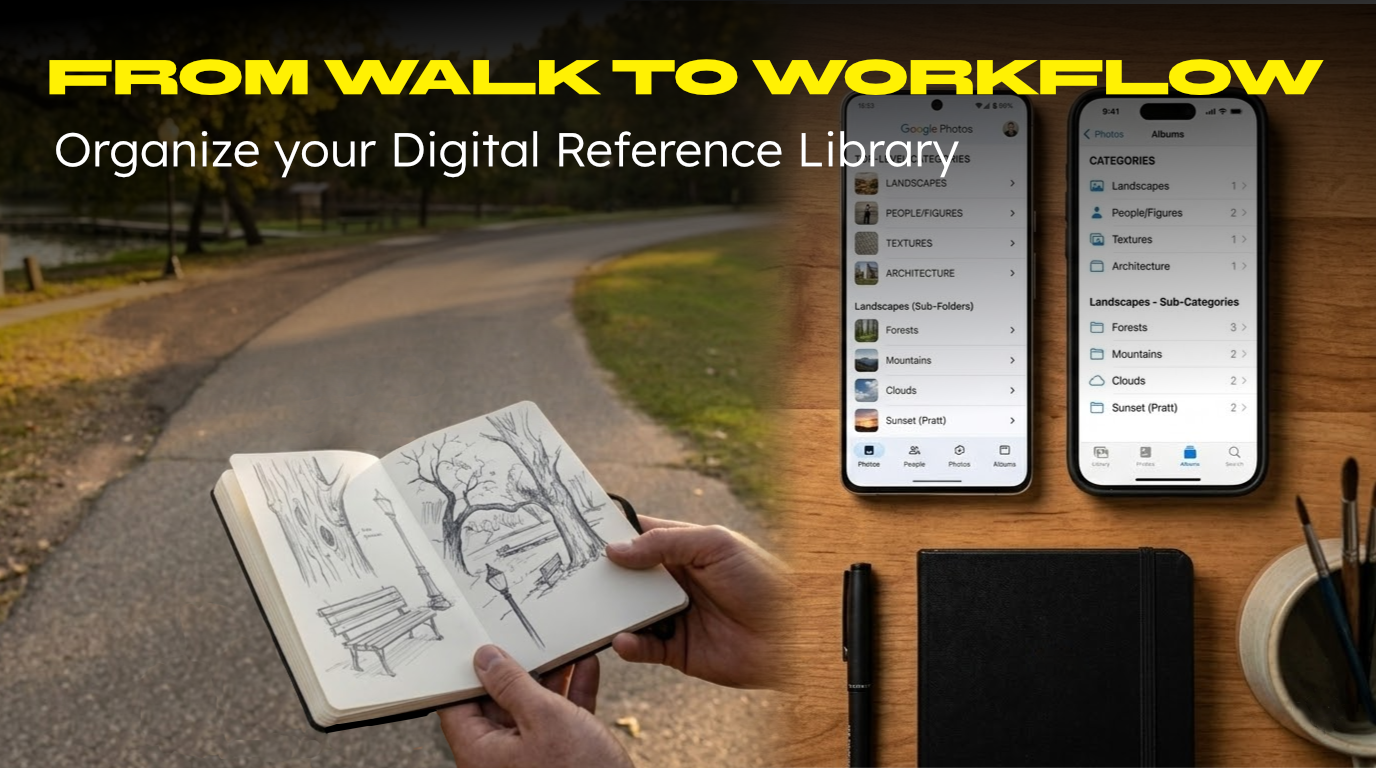
From Walk to Workflow: Organizing Your Digital Visual References
Letting your valuable visual references disappear into a chaotic camera roll is like burying your best sketches in a junk drawer. Whether you're on a Google Pixel or an iPhone, a few simple habits can transform random snapshots into an invaluable resource. Here is how to organize your digital "reference library" so you can find that perfect bit of light or texture exactly when you need it.
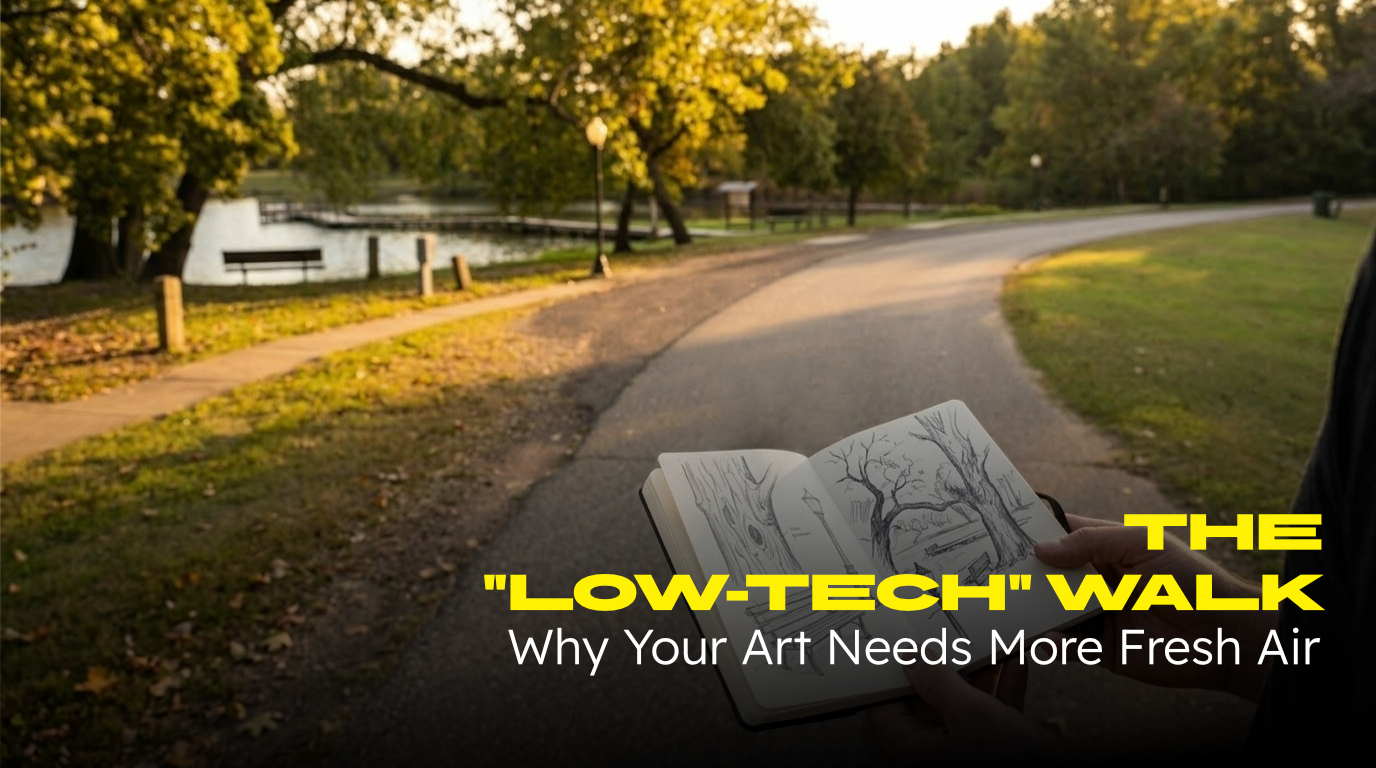
Capturing the Unseen: Why Every Artist Needs a "Low-Tech" Walk
Some of the best creative work happens when you leave the studio without a deadline. The "Low-Tech Walk" isn't about fitness; it’s about collecting raw materials—the amber of a late-afternoon shadow or the moss on a north-facing wall. Here are the two essential tools you need to bridge the gap between a physical walk and your next masterpiece.
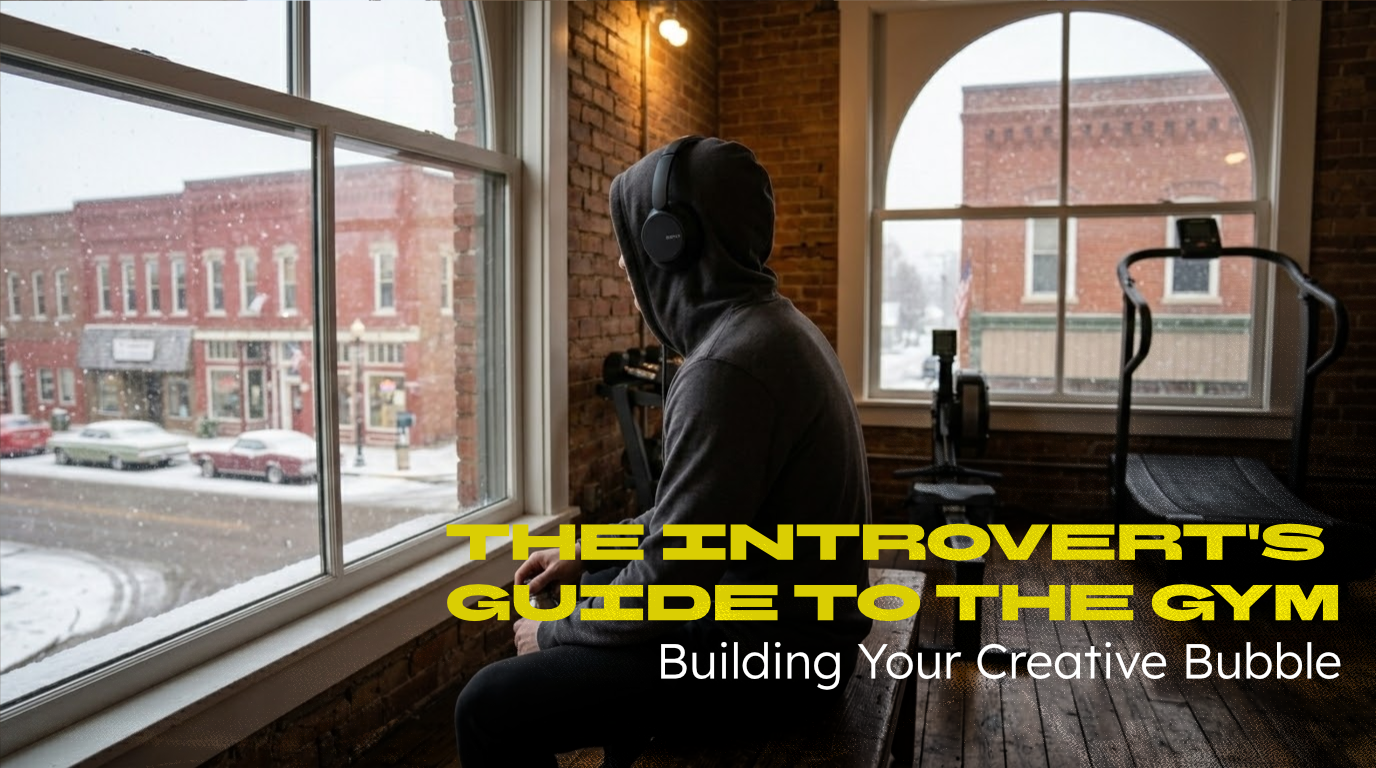
The Introvert’s Guide to the Gym: Building Your Creative Bubble
For a creative used to a quiet studio, the gym can feel like a sensory assault. But the gym isn't a stage—it's a maintenance bay for your most important piece of equipment: your body. Here is how to build your "creative bubble," drown out the noise, and treat the weight floor like a live-action anatomy lab.
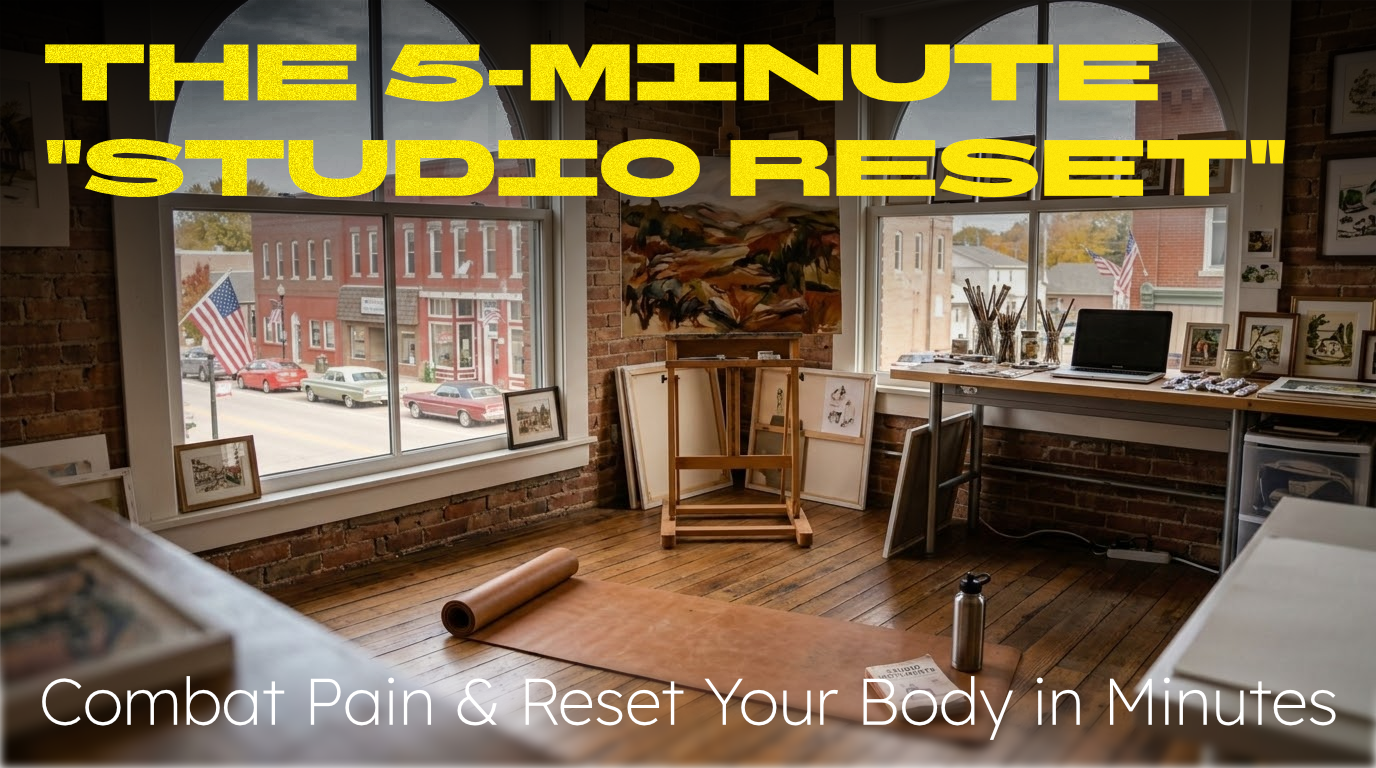
The 5-Minute "Studio Reset": A Low-Impact Routine for Creatives
Stop the "creative fold." If you’ve been hunched over a desk for hours, your body needs a recalibration. This 5-minute, low-friction routine resets your skeletal system and flushes your brain with fresh oxygen—no equipment or gym clothes required.
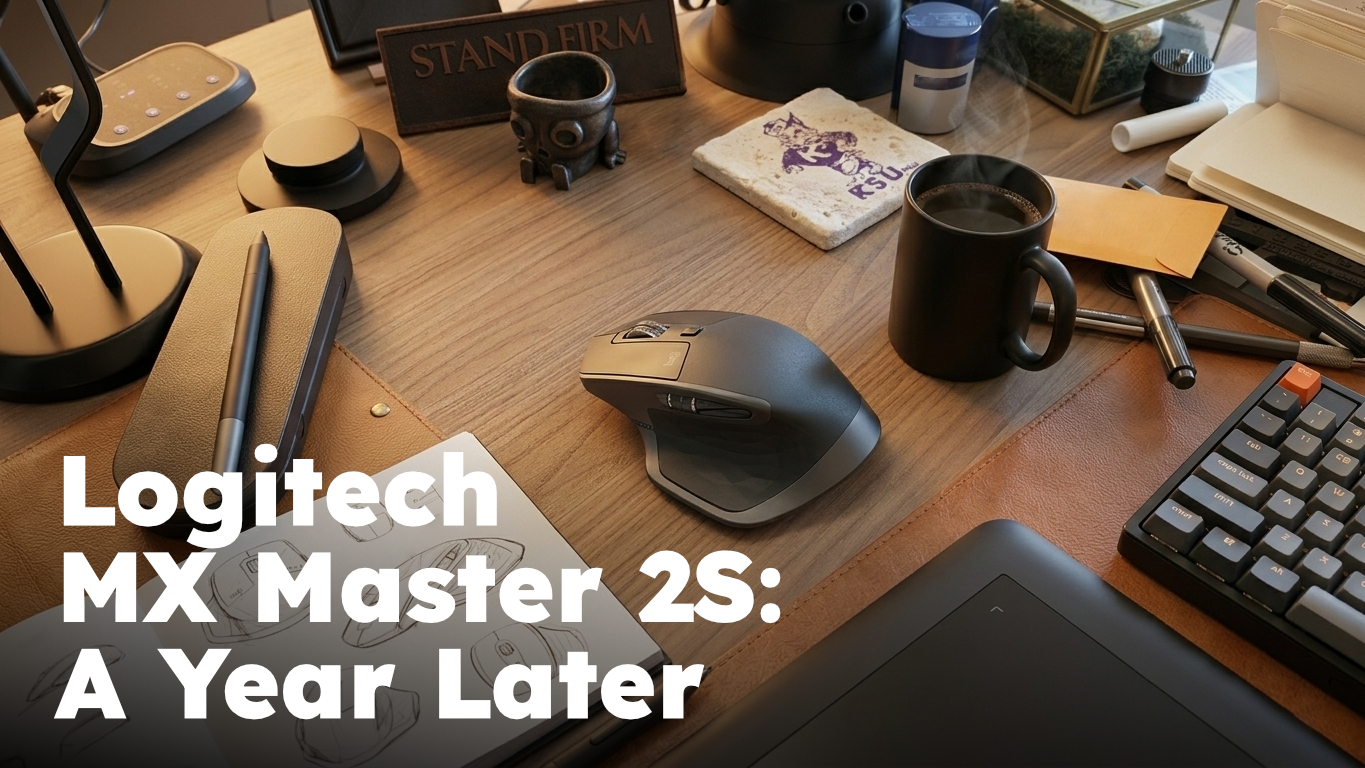
The Best $20 I Ever Spent at Walmart: A Year with the MX Master 2S
After a year of heavy design work and the chaos of new parenthood, does a $20 Walmart clearance find actually hold up? From navigating massive Affinity files to surviving the grit of a real workday, here is why the Logitech MX Master 2S is the most practical tool on my desk—and why newer isn't always better.

The Artist’s Guide to Resilience: Why Your Studio Practice Needs a Fitness Routine
Your body is your most important artistic tool. We obsess over brushes and GPUs, but neglect the machine that drives the pen. Discover why the "starving, sickly artist" trope is a lie and how a simple, functional fitness routine can fuel your creativity for the next forty years.

Why Your Best Ideas Usually Show Up While You’re Doing the Dishes
We treat creativity like a light switch we can’t find in the dark, trying to muscle ideas into existence. But real breakthroughs don't happen at a desk—they happen in the quiet moments between the grit of daily life. Drawing on John Cleese’s philosophy and a few lessons from a Kansas upbringing, let’s explore why being "unproductive" is actually the key to your best work.

The Math Behind the Masterpiece: Why Custom Art Costs More Than a Print
Original art isn't priced by "prestige"—it's priced by the brutal reality of fixed costs and labor. From the studio overhead in Kansas to the "sunk" hours at the easel, discover the financial logic that separates a one-of-a-kind masterpiece from a high-quality print, and why both have a vital place in your collection.
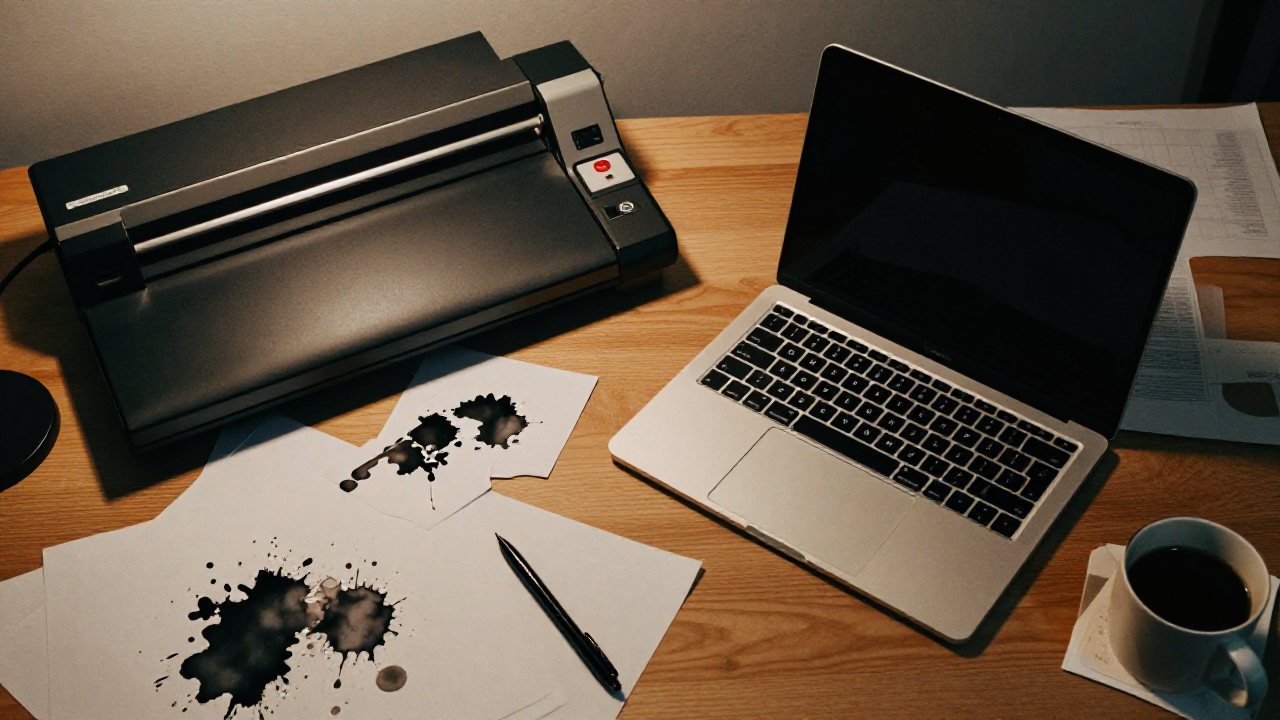
How to Profit from 2026’s Graphic Design Shifting Tides
Tired of sterile, hyper-polished AI designs? In 2026, the real money is in the "imperfect." From tactile scanner textures to design-as-a-service retainers, here are four practical, "fluff-free" ways to monetize current design trends while balancing the chaos of real life.
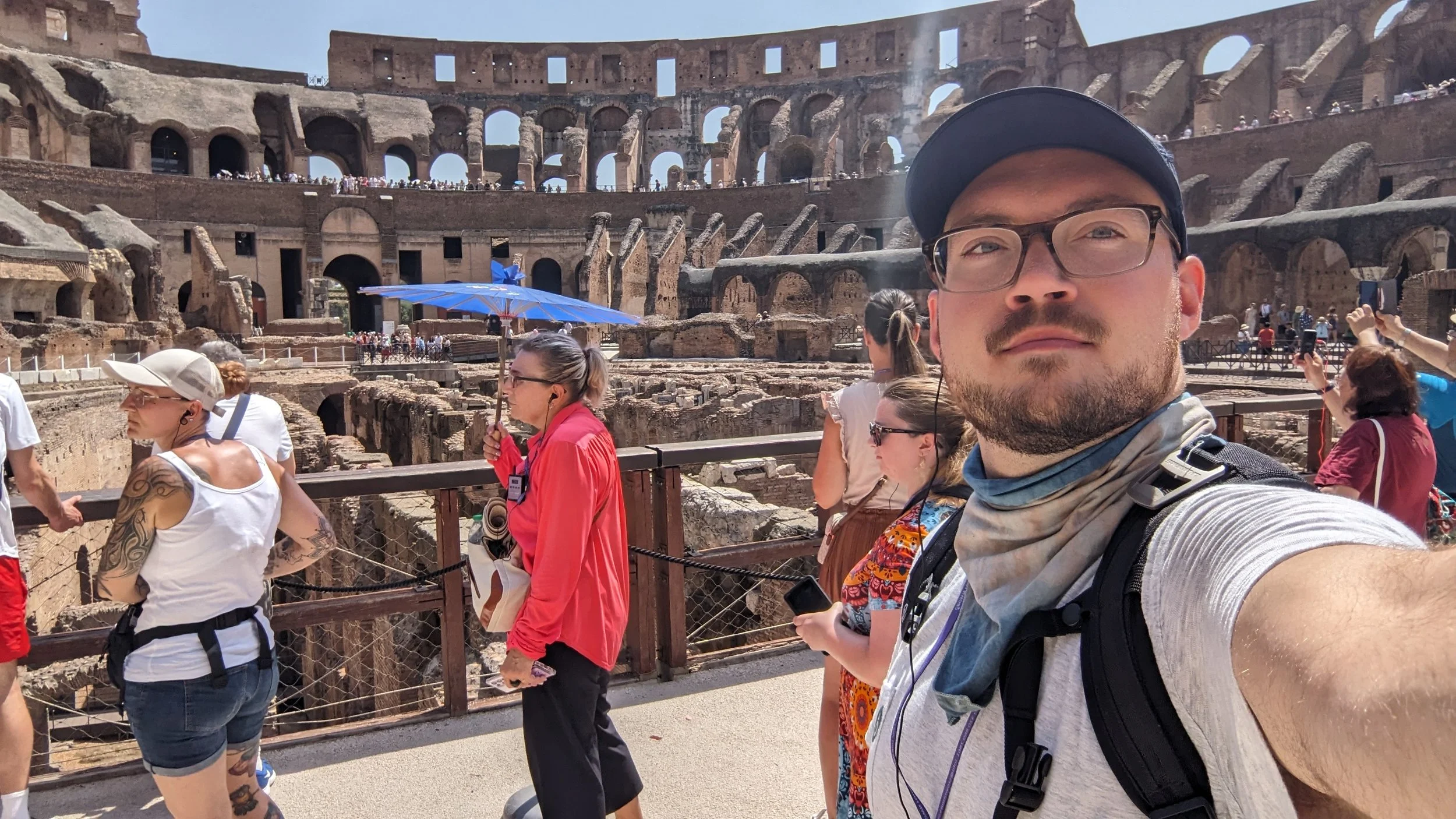
Why "Walking it Off" is a Professional Creative Strategy
When you’re staring at a project and the solution won't come, your instinct is to white-knuckle it. You sit closer to the screen, squint harder, and try to force the breakthrough.
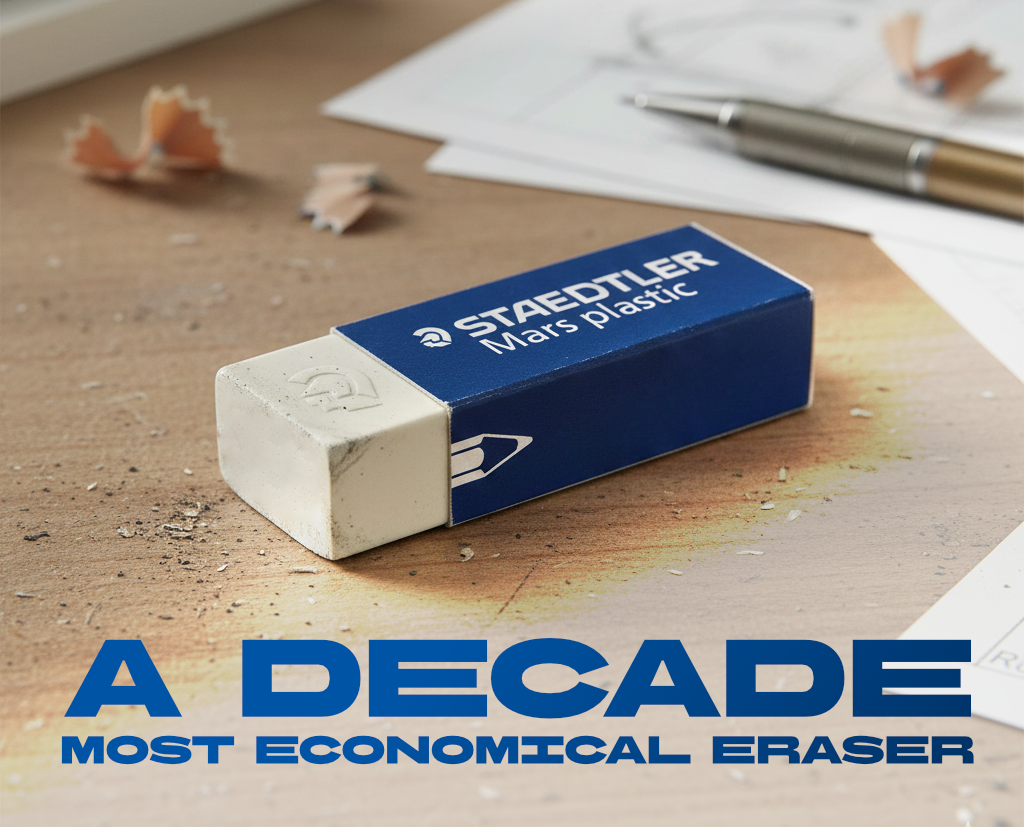
The Only Eraser That Actually Works: Why I’m Still Using a Staedtler Mars Plastic After a Decade
We need to have a serious talk about those classic pink erasers we all used in grade school.

What is my art worth?
How do you set a price on your art to sell may seem like its all subjective. This is absolutely true, at least on the surface, but Ill explain some of the rational behind the pricing some of the paintings, art, digital art, designs, sculptures that you've seen. It really gets into the weeds, there are a lot of variables, but Ill start at a high level and break it down.
