The Artist’s Guide to Resilience: Why Your Studio Practice Needs a Fitness Routine
We’ve all been there. You’re deep in the "flow state," hunched over a canvas or a tablet for six hours straight, only to stand up and realize your back feels like it’s made of dry kindling.
As artists, our bodies are our most overlooked tools. We obsess over the quality of our brushes, the specs of our GPUs, or the tooth of our paper, but we neglect the very machine that drives the pen. The truth is, the "starving, sickly artist" trope is a lie that kills creativity. If you want to create for the next forty years, you need to treat your body like the high-performance instrument it is.
Here is how to start working out when your brain is wired for art, not the iron paradise.
1. Shift Your "Why": Health Over Aesthetics
Most fitness advice fails artists because it focuses on vanity. "Get shredded" or "lose ten pounds" rarely provides enough dopamine to keep a creative person away from their studio.
To make it stick, your goal needs to be functional. You aren’t working out to look like a fitness influencer; you’re working out to not get injured. * The Goal: Increase core strength to support your spine, build shoulder stability to prevent repetitive strain, and boost your cardiovascular health so your brain stays sharp during long sessions.
The Metric: Instead of the scale, track how you feel after a four-hour drawing session. Do you have more energy? Is that nagging neck pain fading? That’s your real ROI.
2. The Power of "Just Showing Up"
Artists understand the blank page. The hardest part of a masterpiece is the first stroke. The gym is exactly the same. Don’t overthink the "perfect" routine. Just get there. Whether it’s once a week or every morning, the habit of showing up is 90% of the battle. Once you’re through the door, the momentum usually takes care of the rest.
3. Build a Sustainable Fire (Don’t Burn the House Down)
There’s a common trap: going too hard on day one, getting so sore you can’t move, and never going back.
Think of your fitness like a kiln. You want a steady, hot furnace that can cook your work to perfection—not a blazing house fire that destroys everything. Avoid injury at all costs. If you hurt your wrist or shoulder, you can’t work. Progress slowly and listen to your body.
The "Artist-Proof" Workout Blueprint
Keep it simple. You don’t need a 20-page spreadsheet. Aim for a balanced session that hits these four pillars:
Arms/Shoulders: For stability and brush control.
Core: The foundation that keeps your back from aching while you sit or stand.
Legs: For overall metabolic health and stamina.
Cardio: To keep the blood flowing to your brain.
The Secret Weapon: The Manual Treadmill
If your gym has a manual/curved walking machine, use it. It’s a game-changer for artists because it’s low-impact and incredibly efficient—you often burn twice the calories compared to a standard motorized treadmill because you are the motor.
Recommendation: If you're building a home setup, the Self-Powered Curved Treadmill is the gold standard for low-impact, high-intensity walking.
The Introvert’s Survival Kit
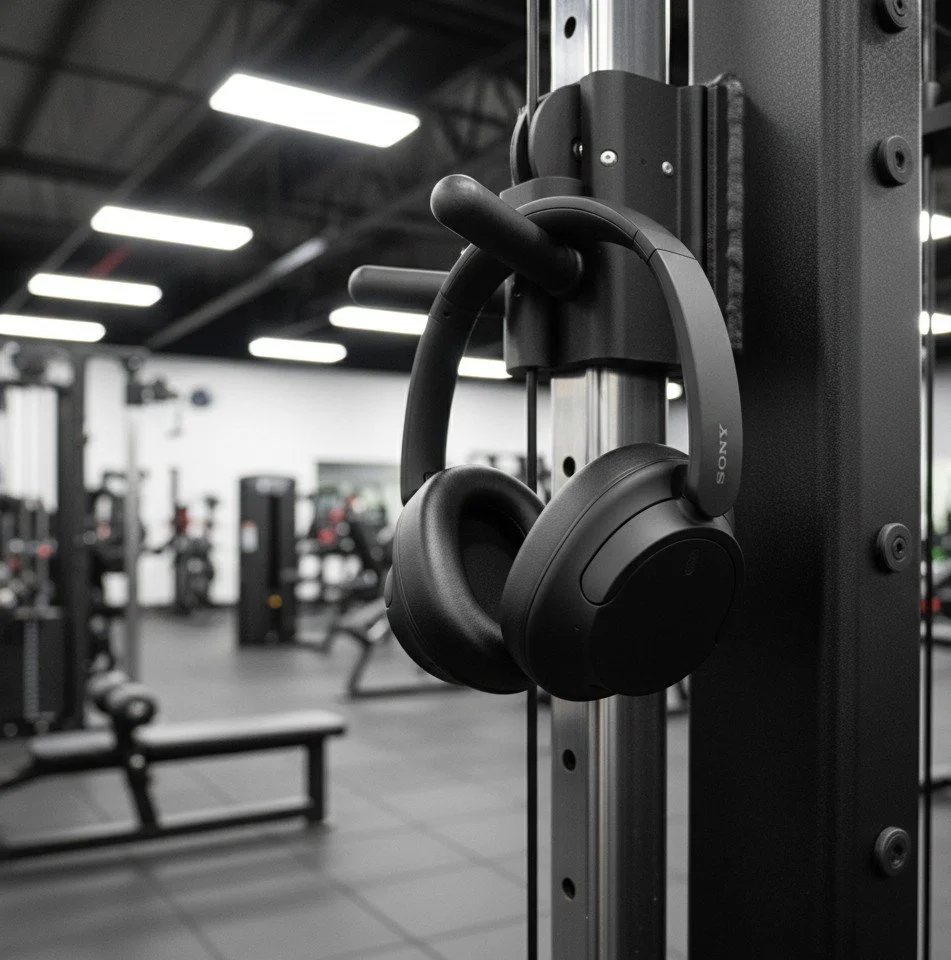
Gyms can be overstimulating. If you’re an introvert, noise-canceling headphones are non-negotiable. They create a "sonic studio" around you so you can focus on your breath and your movement.
Pro-Tip: Keep your high-end studio gear at home. I use my Sony WH-CH720N for the gym. They provide great cancellation and sound quality, but I don’t mind if they get a little sweaty or knocked around in my gym bag.
No Gym? No Problem.
You don’t need a membership to start. If the gym feels too daunting, start in your workspace.
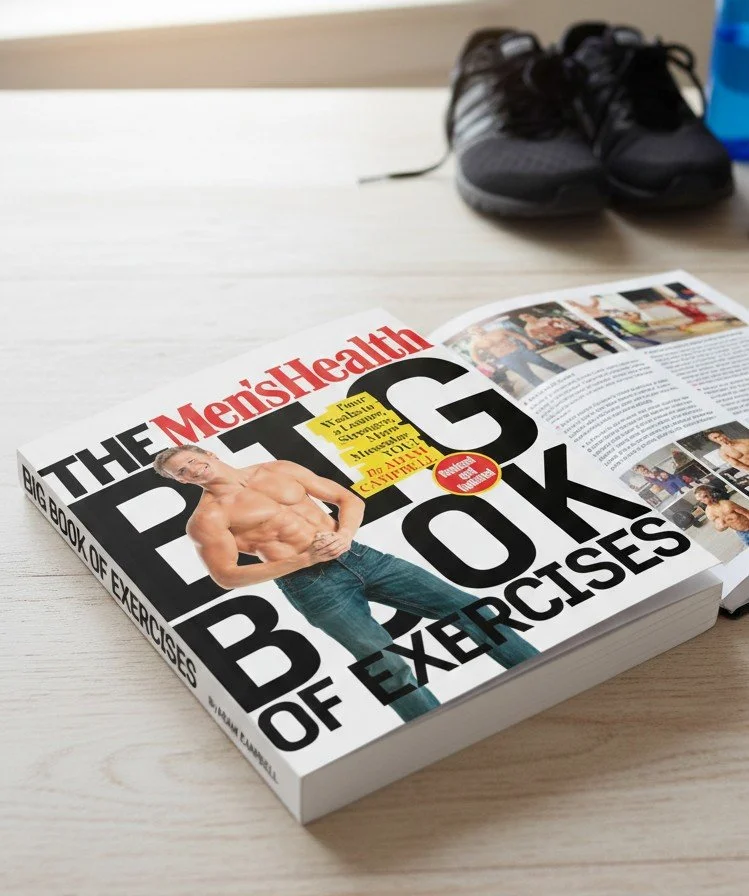
The Home Starter Kit: Get a solid workout book, a set of dumbbells, and a high-quality foam mat. Having these in your studio makes it easy to do 15 minutes of strength work between project phases.
The Ultimate Solution: Just go for a walk. Walking is the ultimate creative lubricant. It clears the mind, solves "stuck" compositions, and is completely free.
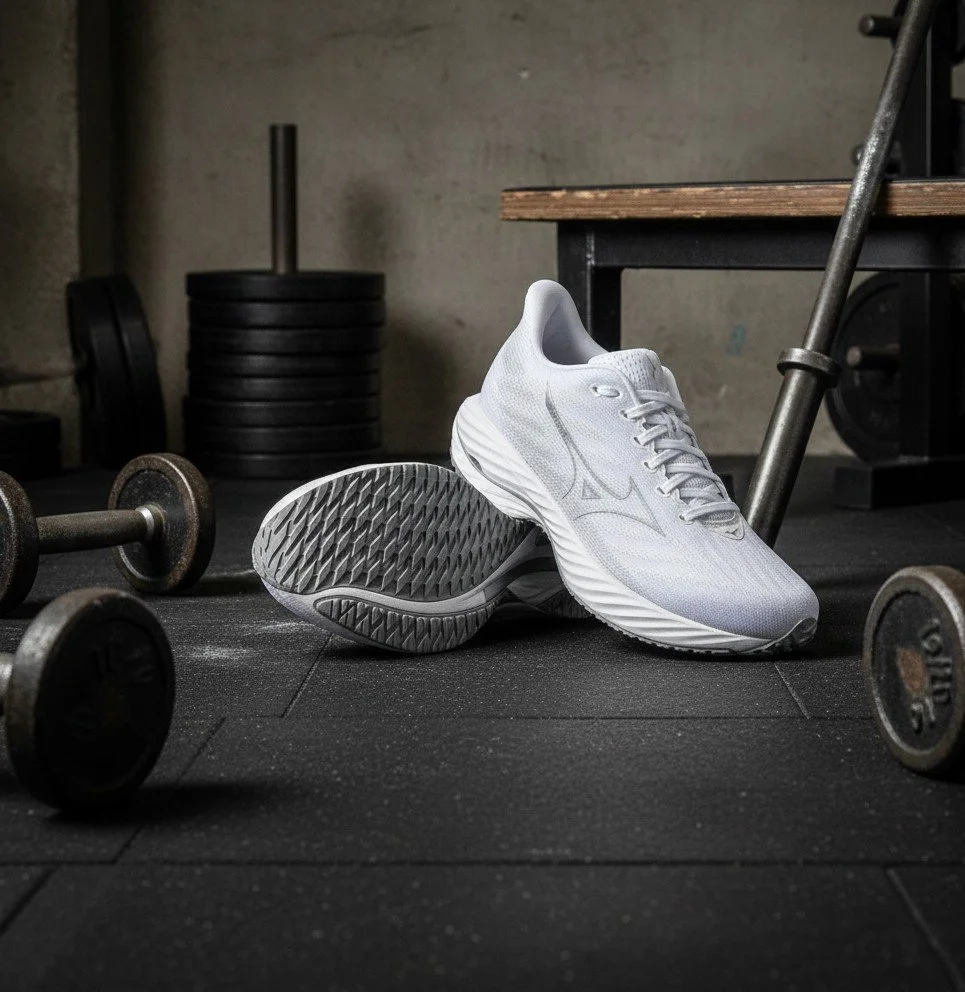
The Gear: Don't walk in flat sneakers. Invest in proper support. I personally swear by Mizuno Running Shoes for their durability and arch support.
Final Thoughts
Your art is a marathon, not a sprint. By investing in your physical health, you aren't taking time away from your craft—you’re ensuring you have the strength and clarity to keep creating for a lifetime.